Feeding can help
A well-kept feeder can supplement natural food, bring families close to the life already around them, and make careful observation part of an ordinary morning.
A West Georgia field guide
Yes—sometimes. A feeder can be a kindness and a window into the life around us. It can also become a place of waste, sickness, and avoidable danger when we fill it but do not tend it.
The faithful question is not merely, “Do birds come?” It is, “Is this place helping them thrive?”
Begin with the honest answer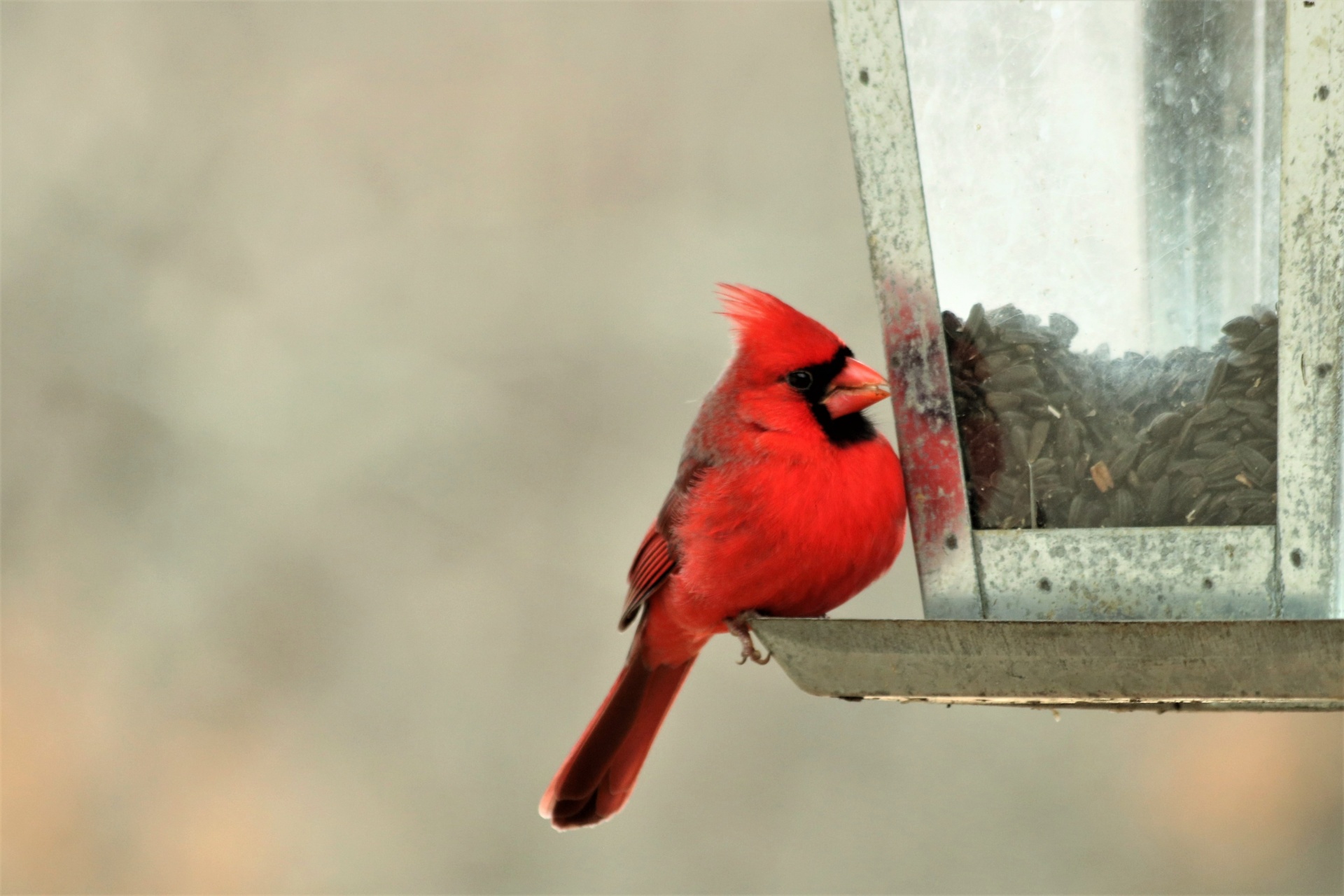
The short answer
Good intentions matter, but the condition we create matters too. Feeding is helpful only inside a larger practice of habitat, cleanliness, observation, and restraint.
A well-kept feeder can supplement natural food, bring families close to the life already around them, and make careful observation part of an ordinary morning.
Crowded, dirty stations can spread disease. Wet seed can mold. Waste can draw rodents. Poor placement can add danger from windows, cats, and ambush cover.
Native plants, layered cover, clean water, leaf litter, mature trees, and fewer pesticides do more lasting work. A feeder is one small part of habitat—not a substitute for it.
The better order
Birds Georgia treats a feeder as only one possible food source within a living habitat. Native plants, water, cover, nesting places, safer windows, restrained pesticide use, and keeping cats indoors all belong in the same picture.
This is where stewardship becomes different from simply buying birdseed: we stop asking how to attract the greatest number of birds and begin asking what kind of place we are making for them.
Explore native plants for Georgia birdsA responsible feeding rhythm
Keep useful trees and shrubs. Add Georgia-native plants that provide seed, fruit, nectar, insects, cover, and nesting places. Leave some healthy leaf litter and seed heads where they can remain without creating another hazard.
Begin with a small quantity of black-oil sunflower seed rather than a bargain mix full of grain that local birds may throw aside. Watch what remains before buying in bulk.
Georgia DNR recommends cleaning feeders weekly, using gloves and a mask, rinsing thoroughly, and allowing them to dry completely. Rake discarded seed, hulls, and droppings underneath at least twice a week.
Check for wet food, rodent activity, outdoor cats, nearby poultry, reflective glass, and cover that lets birds escape without giving predators an easy hiding place.
If sick birds appear, Georgia DNR advises taking feeders down for a week so birds disperse. Clean first; do not keep filling merely because a schedule says it is time.
Before buying anything
The feeder stays dry, is cleaned on schedule, waste is controlled, birds appear healthy, and the location does not create an obvious window, cat, rodent, or poultry risk.
Seed is wasted, squirrels empty it, cleaning is difficult, a window reflects habitat, or the feeding area is becoming muddy or fouled. Correct the cause before adding more food.
Sick birds appear; seed is wet or moldy; rodents are established; cleaning cannot be maintained; or the station is drawing birds into a danger you cannot presently correct.
Buy only after observing
The list below is deliberately small. It does not include nectar equipment, a birdbath, decorative houses, cameras, or specialty feed because each creates another decision or care obligation.
The Steward's Amazon Cart
This is a planning cart on Moss & Sons. It does not place products in your Amazon account. Review each remaining item on Amazon, confirm the current seller, size, price, and delivery, and then decide there. Search-result links are used where the right brand or size depends on your property.
A durable feeder with replaceable parts and less seed loss to squirrels.
Use restraint: Use your present feeder if it comes apart fully, drains well, and can be scrubbed and dried.A widely accepted seed for cardinals, chickadees, titmice, nuthatches, finches, and several woodpeckers in Georgia.
Use restraint: Start with a small amount. More food is not better when it becomes wet, stale, or unwanted.Keeps bulk seed dry and keeps spilled food from becoming an invitation to rodents.
Use restraint: A sound metal can you already own may serve just as well.Reaches feeding ports and seams without borrowing a kitchen brush.
Use restraint: Label it for bird equipment only. Gloves, disinfecting method, rinsing, and complete drying still matter.Useful when a nearby pane reflects sky or vegetation and birds approach it as open space.
Use restraint: Buy only if the window is a risk, and cover the outside surface at the spacing recommended by the maker.Paid links. As an Amazon Associate I earn from qualifying purchases. Recommendations are selected for the stewardship purpose explained above. Moss & Sons is not the seller and does not control Amazon availability, price, delivery, returns, or product claims.
Would you rather have help?
Moss & Sons is exploring a five-home pilot near Bremen and Temple: suitable feeder setup, a scheduled weekly clean-feeder exchange, measured seed, and a short condition record. It would not include nectar feeders or promise that one visit covers care needed between visits.
The proposed pilot price is $149 per month for one active seed feeder, with installation or suitable exchange equipment quoted separately. We will offer it only where the route and care standard can be kept dependably.
Ask about the five-home pilotResearch beneath the advice
Local guidance leads. National sources help where the risk or care practice extends beyond Georgia. Product links do not replace these sources.
Research reviewed September 7, 2026. Wildlife-health guidance can change; follow current agency notices when disease conditions or other hazards are reported.