Carroll County · August 21, 1995
Flight 529: the people who came to help
Flight attendant Robin Fech went from passenger to passenger, making sure each person knew how to brace for an emergency landing. When she looked through a cabin window and saw treetops, she returned to her seat and called out the instructions again. [1] [5]
In this story
A different destination
Atlantic Southeast Airlines Flight 529 left Atlanta for Gulfport, Mississippi, on August 21, 1995, with twenty-six passengers and three crew members. The flight plan estimated an hour and twenty-six minutes in the air. At 12:43 p.m., roughly twenty minutes after takeoff, a blade broke away from the left propeller. The aircraft rolled left and began to descend. [1]
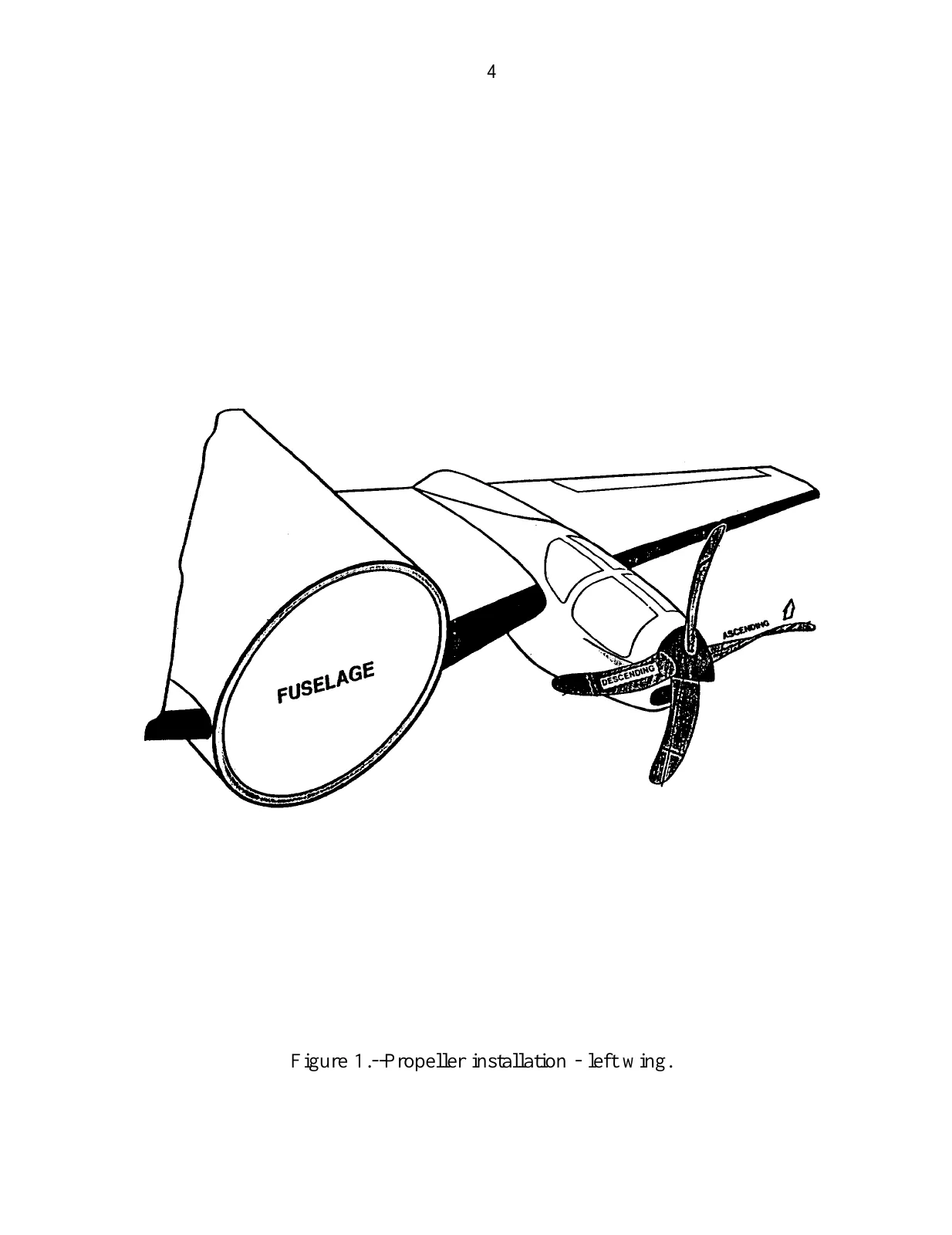
The pilots declared an emergency and initially tried to return to Atlanta. But this was more than an engine that had stopped working. The failure had damaged and distorted the assembly on the left wing. The aircraft had lost thrust, gained drag and become harder to control. Its remaining engine could not make up for that combination. [1] [2]
Unable to hold altitude, the crew asked for a nearby airport. Controllers directed them toward West Georgia Regional Airport at Carrollton. Low clouds limited the pilots’ view of the ground as they searched for a place to land. The NTSB later found their efforts to control and maneuver the damaged aircraft reasonable and appropriate. At about 12:53 p.m., it came down on Carroll County farmland. [1]
One passenger at a time
Fech was the only flight attendant aboard the thirty-seat aircraft. She had joined the airline in February 1993 and completed recurrent training earlier in 1995. In her interview with investigators the next day, she described the practical work of preparing the cabin: securing loose items, checking seat belts, explaining the brace position and pointing out exits. [5]
When a passenger near an emergency exit said she did not feel able to open it, Fech arranged a seat exchange. She also spent time reassuring an anxious passenger. The final report commends how she prepared the passengers and handled what followed. [1] [5]
The cockpit had told her they were returning to Atlanta. She received no further update about the change of destination or how much time remained. The sight of treetops prompted her to get back into her own seat. After impact, although seriously injured, she helped passengers move away from the aircraft. [1]
Help in the field
The cabin had broken open during impact. Survivors told investigators that daylight through the openings helped show them a way out. None reported leaving through a normal door or designated emergency exit. Fire began after the aircraft had stopped, making escape and rescue urgent. [1]
In the cockpit, the first officer’s side window had jammed. He reached behind his seat for the aircraft’s small ax and made a hole about four inches across, then passed the tool to a passenger outside. The passenger began working from the other side. [1]
A Carroll County sheriff’s deputy arrived within about five minutes and saw that effort under way. The ax’s wooden handle broke. When firefighters arrived, their larger axes also failed to open the window. They directed water at the cockpit and brought the fire behind it under enough control to enter the cabin. From there, they broke through the cockpit door and rescued the first officer. [1]
Lives behind the numbers
One passenger was Charles Barton, a fifty-seven-year-old Loudoun County, Virginia, sheriff’s deputy traveling with another deputy to collect a fugitive in Mississippi. His department’s memorial says he helped others leave the aircraft before making his own escape. He died the next day. The memorial remembers a law-enforcement career of thirty-five years. [6]
The final NTSB report lists eight fatalities: the captain and seven passengers. Three of those passengers died during the thirty days following the accident. A footnote records another passenger’s death from her injuries four months afterward. Her injuries remained in the “serious” category because the reporting definition counted a death as fatal only within thirty days. [1]
That leaves nine eventual deaths documented by the report, although its statistical table lists eight. The difference is a reporting boundary, not a measure of whose loss mattered. Everyone aboard sustained an injury; recovery continued long after the emergency vehicles left the field. [1]
A warning more than a year earlier
The investigation followed the broken propeller blade back through its maintenance records. On May 19, 1994, an ultrasonic inspection had detected an unacceptable indication inside the blade. It was taken out of service and sent to Hamilton Standard for further work. A second ultrasonic check confirmed the indication. [1]
An inspection using a small viewing instrument found no visible fault. The suspect area was then sanded under a repair procedure that had been misunderstood and misapplied. Afterward, the blade passed another ultrasonic check and eventually returned to service. The crack had not been removed. Investigators found that the altered surface finish had reduced the ultrasonic indication, helping conceal the underlying problem. [1] [2]
The crack had begun at corrosion pits inside the blade’s hollow spar, its load-carrying structure. Repeated loads allowed it to grow until the blade fractured in flight. The NTSB identified failures in Hamilton Standard’s inspection and repair techniques, training, documentation and communication. This was a failure of the system meant to recognize and respond to a warning. [1]
The board also found that repeated ultrasonic inspections would most likely have detected the crack. Yet this repaired blade had been exempted from the later requirement for those checks. After the accident, the FAA required certain repaired blades to be removed from service and others to receive recurring inspections. [1]
Messages, minutes and a small ax
Other findings led back to the people in the field. Although the pilots had requested emergency assistance before landing, air traffic control had not alerted the local fire service in advance. By the time a controller called the Carroll County sheriff, the crash had already been reported by a citizen through 911. The NTSB concluded that earlier notification could have brought help sooner and might have made the rescue more effective. [1]
The board called for clearer communication between cockpit and cabin about the time available in an emergency. It also recommended standards for aircraft crash axes. Carrying the required tool had not assured that it could do the work needed against a jammed cockpit window. [1]
Flight 529 belongs to Carroll County’s history through a field, an emergency call and the people who answered it. The maintenance records explain how the danger developed. The rescue record preserves something equally concrete: people checking on others, passing a tool through a small opening and continuing to help when the first attempt failed. [1]
Sources and further reading
- NTSB, Aircraft Accident Report AAR-96/06
Primary final report, adopted November 26, 1996. Printed pp. 1–5: flight chronology and injuries; p. 5, footnote 8: death four months later; pp. 21–23: evacuation and rescue; pp. 36–39 and 53–62: blade inspection, repair and crack; pp. 50–51: postaccident actions; pp. 69–74 and 75–81: weather, emergency notification, crew communication, crash axes and findings. Public-domain federal government work. - FAA, Lessons Learned: Atlantic Southeast Flight 529
Government training account explaining inspection failures and the aircraft damage. Photographs credited to outside photographers are not reused here. - NTSB public investigation docket DCA95MA054
Public index of 106 investigation items. The Survival Factors Group Chairman’s factual report is separately linked below and was inspected for this expanded account. - Associated Press, “Flight Attendant Hailed as Hero of Georgia Crash,” The Washington Post archive
Contemporary reporting identifies Robin Fech and records passenger recollections. The archive page displays August 23, 1995; its URL contains August 24. The article’s early casualty figures are superseded by the final report. Fech’s name and actions here are independently documented by NTSB sources 1 and 5. - NTSB, Survival Factors Group Chairman’s Factual Report of Investigation, January 29, 1996
Docket DCA95MA054, item 8. Six-page primary report; pp. 4–6 describe the thirty-seat cabin, identify Robin Colette Fech, record her employment and training, and summarize her August 22, 1995 interview. Her estimates of elapsed time are not substituted for the recorder chronology in the adopted final report. - Loudoun County Sheriff’s Office, Fallen Officer Memorial: Deputy Charles Barton
Official departmental memorial identifies Barton, his extradition assignment, help to other passengers, death on August 22, 1995, and thirty-five-year career. Its account of his assistance is attributed in the story. Memorial photograph is not reproduced.
Read another local story
- The river beneath the runwaysAbout 4 min read
- Who were Hartsfield and Jackson?About 5 min read
Share a photo, memory or landmark
Daniel reviews contributions before anything appears publicly.
Know someone who would enjoy this? Pass it along.