Gravel collects at the bottom
What you notice: Long channels follow the wheel tracks downhill.
Water may be staying on the driveway too long. Check surface shape, raised edges that trap runoff, and where water could safely leave the drive.
HOME & LAND · WEST GEORGIA
Start with the water. When runoff follows the wheel tracks, arrives from uphill, or has no stable place to leave, another load of gravel may only cover the evidence until the next hard rain.
OBSERVE BEFORE SPENDING
These are possible explanations to investigate, not a diagnosis of your property. Observe from a safe, stable place after dangerous weather has passed. Never walk or drive into floodwater; it can hide a washed-out road. Read the National Weather Service guidance.
What you notice: Long channels follow the wheel tracks downhill.
Water may be staying on the driveway too long. Check surface shape, raised edges that trap runoff, and where water could safely leave the drive.
What you notice: Water sits in the same hollows after each rain.
Ponding and passing tires can keep loosening the material. Filling the hole without correcting the low spot or nearby drainage may restart the cycle.
What you notice: A section stays soft, ruts deeply, or moves under traffic.
The supporting soil or gravel base may be weak or saturated. More surface stone alone may not address the layer that is failing.
What you notice: Water crosses the driveway instead of passing through the pipe.
A blocked or damaged pipe, its alignment, or insufficient capacity may be involved. Pipe size cannot be selected from a photograph alone.
What you notice: Erosion starts where water leaves the driveway.
The outlet may be concentrating water onto unprotected ground. Getting water off the driving surface is only part of the job; the receiving area must handle it too.
What you notice: A roof, uphill yard, road ditch, or neighboring ground feeds the problem.
Trace the incoming water before choosing a repair. A change elsewhere on the property can overwhelm a driveway that previously worked.
The drainage and support principles here draw on FHWA’s road assessment guidance and its guidance on drainage and preparation. Applying them to a home driveway still requires checking the actual site.
A REPAIR SHOULD ADDRESS THE CAUSE
A useful plan explains why the problem is happening, how water will leave, and which layers need attention. Ask for that explanation before comparing loads of stone.
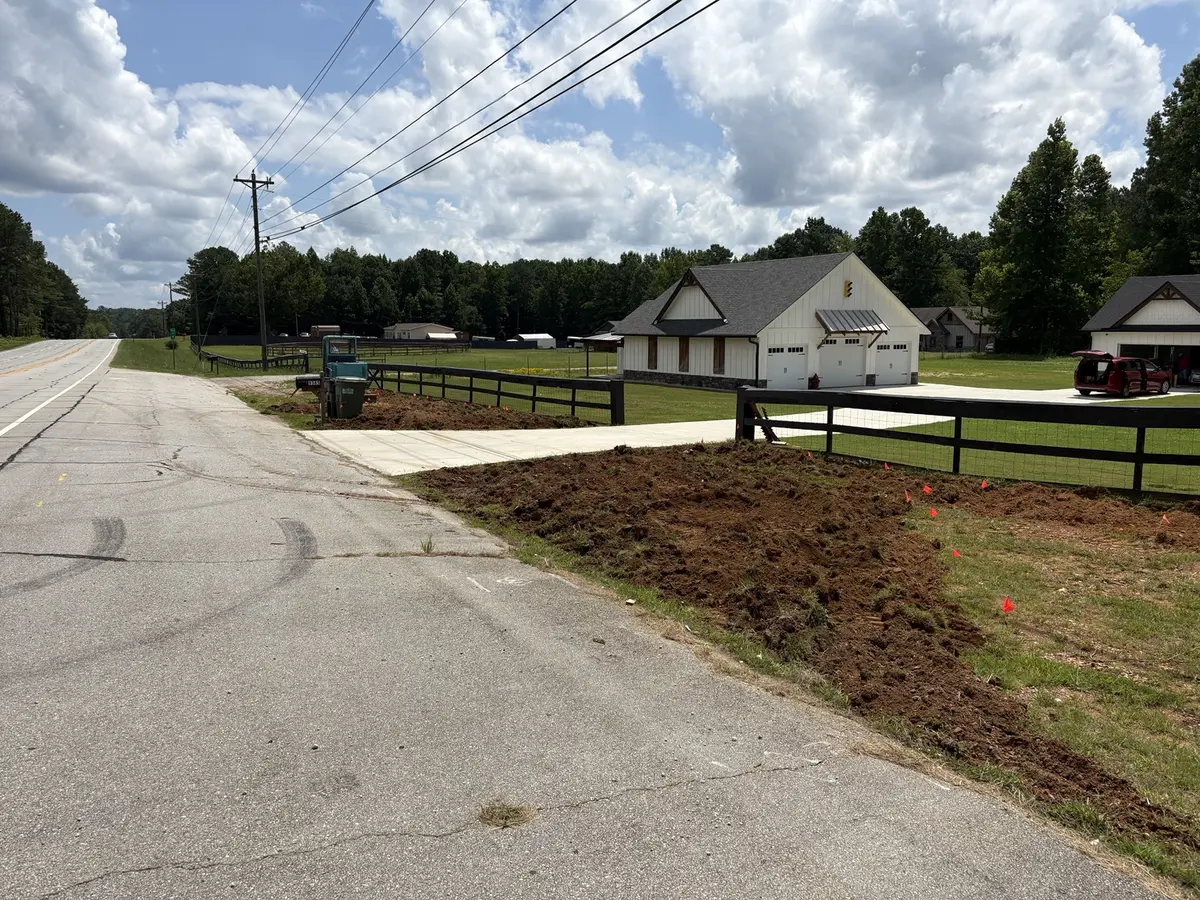
Note where runoff enters, where it collects, how long wet areas persist, and where loose gravel ends up. Photograph the same locations in dry conditions. The After the Rain tool helps organize observations.
Keep vehicles, children, and visitors back from undermined edges, deep channels, and damaged crossings. Do not test a soft edge by driving over it or enter a culvert to investigate.
A crown or cross-slope should shed water without creating unsafe driving conditions. The choice depends on the grade, curves, buildings, and receiving ground.
Ditches, swales, turnouts, or culverts need an outlet that can withstand the flow. Check the receiving area and obtain the appropriate review before affecting a public road, neighboring property, stream, or septic area.
The base is the supporting gravel below the surface; the subgrade is the soil below that. Weak, saturated, or unsuitable ground may need attention before more stone is placed. Fabric is a design choice, not a cure for every soft spot.
A compacting surface blend and clean drainage stone serve different purposes. Ask the supplier for the actual product specification, intended layer, and quantity conversion. Use the gravel calculator once the area and appropriate depth are known.
The repair plan should specify placement in suitable layers, moisture, compaction, and the final shape. A tidy dry surface does not prove drainage is working. Revisit the original trouble spots after a comparable rain, once it is safe.
KNOW WHAT NEEDS A CLOSER LOOK
Take photographs from stable ground, record recurring wet spots, measure accessible dry areas, and write down when the trouble started. Note any recent roof, yard, or uphill changes. Keep pipe openings in view from a safe distance; do not reach into a blocked pipe or approach flowing water.
The Driveway & Culvert Check can help you prepare questions.
Get help for a damaged crossing, unstable slope, persistent underground water, culvert sizing, retaining work, or changes near a foundation, septic system, stream, property boundary, or public road. Ask the relevant road authority about a roadside ditch or driveway entrance before altering it.
Before digging, follow Georgia 811’s process: submit a ticket at least three business days ahead, wait for markings, and check all utility responses. Resolve missing responses or signs of unmarked utilities before proceeding.
PLAIN ANSWERS
Repeated washouts often mean runoff is concentrated on the driving surface or has no stable outlet. Poor surface shape, incoming water, and a saturated base are possibilities. The pattern after rain helps narrow the cause; it does not establish a complete diagnosis.
A surface refresh can help when the driveway drains properly and the supporting layers are sound. If runoff is still cutting a channel or the base is soft, another load may only hide the problem until the next storm.
Every driveway needs intentional drainage. A crown raises the center so water can leave toward the sides; some sites need a cross-slope or carefully shaped transitions instead. Curves, steep grades, buildings, traffic, and outlets affect the choice. Road guidance is not a universal residential driveway specification.
A properly designed subsurface drain may help with seepage or water below the surface. It still needs a suitable outlet and maintenance. A surface runoff problem may need grading or surface drainage instead. Identify where the water is moving before choosing the system.
YOUR NEXT STEP
Tell Daniel what happens after rain, where the property is, and what you have already tried. Photos are helpful if you can take them safely. You can ask whether Moss & Sons may be able to help before deciding on work.
This is a homeowner planning guide, not an inspection, culvert calculation, or engineered repair plan. The road guidance below supplies general principles; the correct residential repair depends on site conditions. Sources checked September 10, 2026.